CODA Launches Special Interest Groups to Support Industry Priorities

CODA has recently launched three Special Interest Groups (SIGs) to support industry and stakeholder collaboration on priority decommissioning challenges and opportunities. These SIGs are designed to provide a forum to deepen engagement across the sector and support knowledge sharing, capability development, and integrated approaches.

The inaugural SIGs were established in direct response to consistent industry feedback on priority themes. Each group is guided by a committee drawn from industry participants, and supported by a CODA representative, working together to shape discussions and progress actions identified by the group.

Meetings are held approximately every two months and focus on reviewing developments in the SIG’s focus areas, sharing insights, and identifying opportunities for collaboration.

The Inaugural Special Interest Groups

Hazardous Materials Management

Focusing on best-practice hazardous materials management and lifecycle approaches to contaminants commonly encountered during decommissioning. The group will work to strengthen links between operators, the supply chain, regulators, and industry bodies, while promoting education, sharing of experience, and diverse perspectives.

Well Abandonment

Promoting safety, innovation, and efficiency in support of sustainable, world-class well P&A operations in both onshore and offshore contexts. Current areas of focus include:

  • Improved approaches to regulator engagement and barrier technology qualification
  • Establishing an independent industry body that can act as a conduit for and accelerator of new ideas and alternative approaches
  • Alignment of offshore and onshore industry sectors to foster cross-learning and explore lower cost verification and testing environments
  • Broader knowledge sharing and stakeholder engagement
Decommissioning Project Management

Exploring challenges and opportunities in planning and executing decommissioning projects, drawing from global and local experience. Focus areas include:

  • Benchmarking cost and schedule
  • Contracting strategy
  • Risk management and regulatory engagement
  • Approaches to managing decommissioning market volatility

Membership is currently open to personnel from all CODA Partners, with numerous organisations already involved across these inaugural SIGs. CODA welcomes expressions of interest from Partner organisations looking to contribute to these collaborative, action-oriented groups.

We thank all those who have contributed to the successful formation of these initial SIGs.
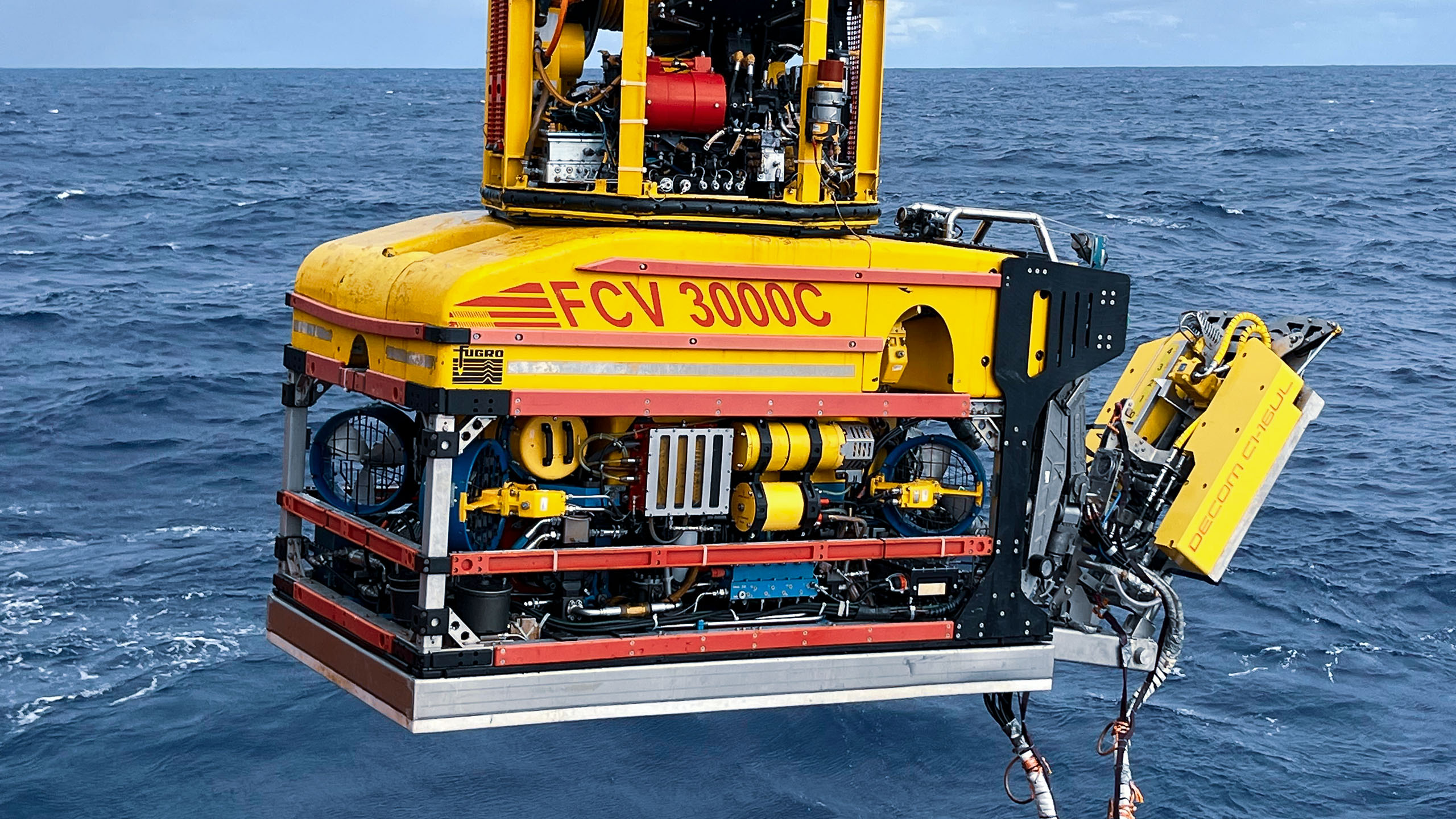
Decom Engineering Unveils Ultra-Light C1-16UL Chopsaw

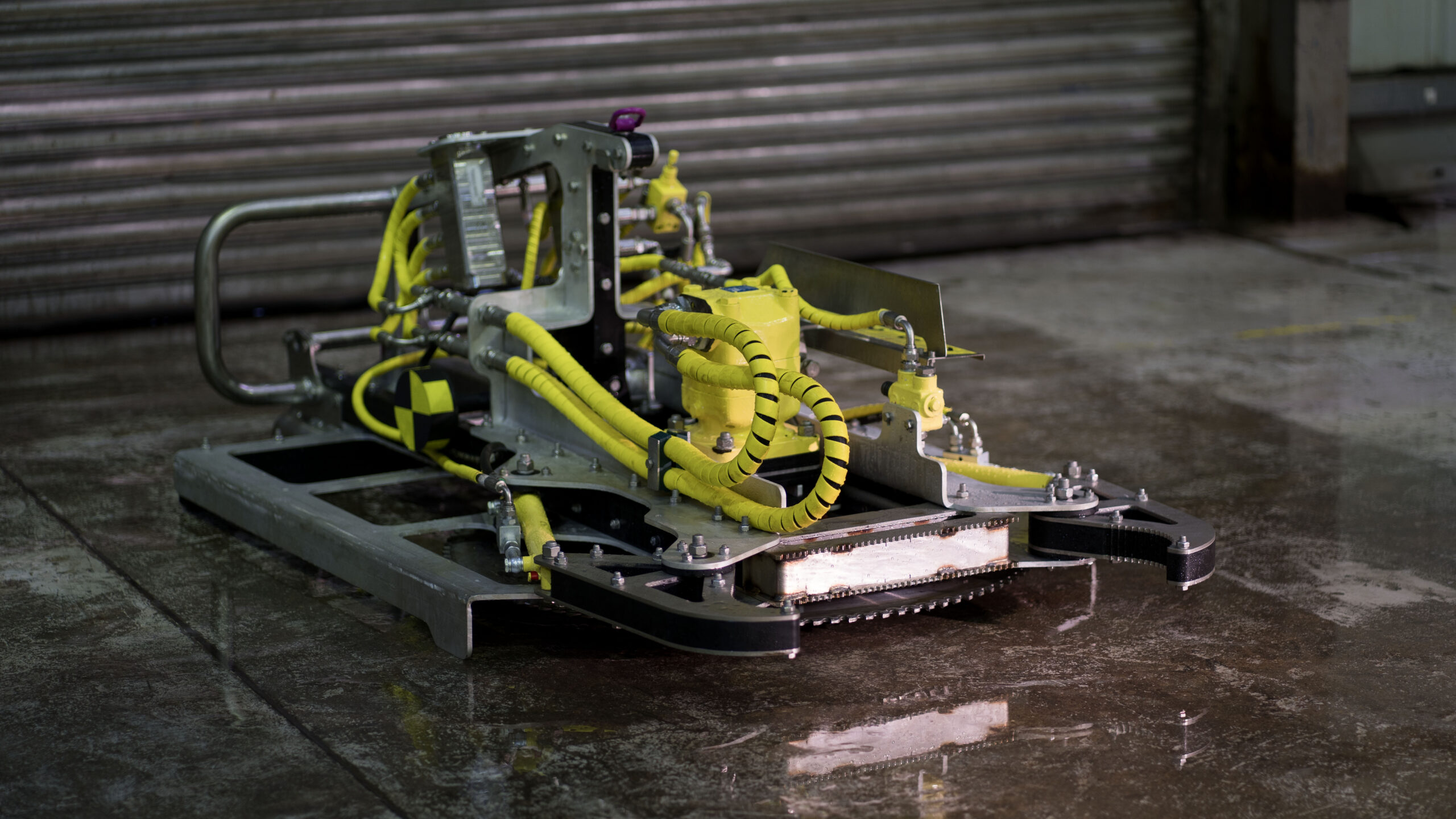
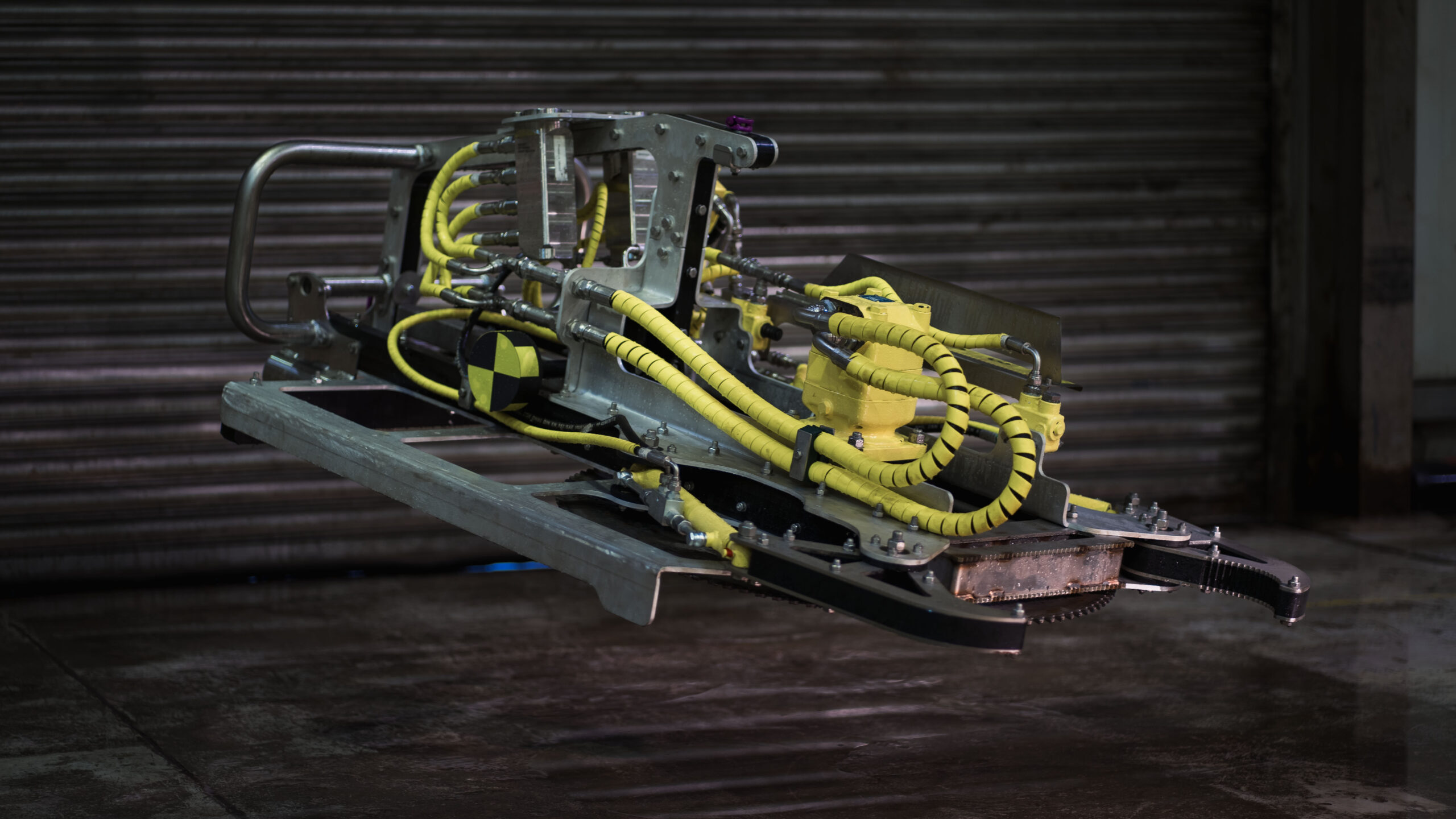
Subsea technology specialist, Decom Engineering, has developed and deployed a groundbreaking ultra-light Chopsaw which is transforming how contractors approach challenging subsea cutting operations.

The C1-16UL represents the most significant advancement in Aberdeen-based Decom’s highly respected Chopsaw range, specifically engineered to handle the demanding task of cutting flexible risers and mooring chains under tension, Riser Turret Moorings and Deepwater Tensioned Moorings.

The standout feature of the C1-16UL is its exceptional weight characteristics – weighing approximately 270kg in air but just 30kg in seawater – and this dramatic weight reduction offers unprecedented manoeuvrability with ROVs while maintaining the robust cutting capabilities inherent in all Decom Chopsaws.

Decom Engineering Commercial Director, Nick McNally, said: “We’ve fundamentally rewritten the chopsaw rulebook. Where traditional subsea cutting relied on heavier, rigid steel frames, we’ve created a tool that delivers superior performance while being light enough for smaller ROVs to deploy effectively. This eliminates the need for cranes and enables access to challenging locations previously considered inaccessible.”

Following extensive testing and trials, the C1-16UL has been successfully deployed offshore on international projects, leading to Decom investing in three additional units which are currently engaged in chain cutting and flexible riser cutting operations.

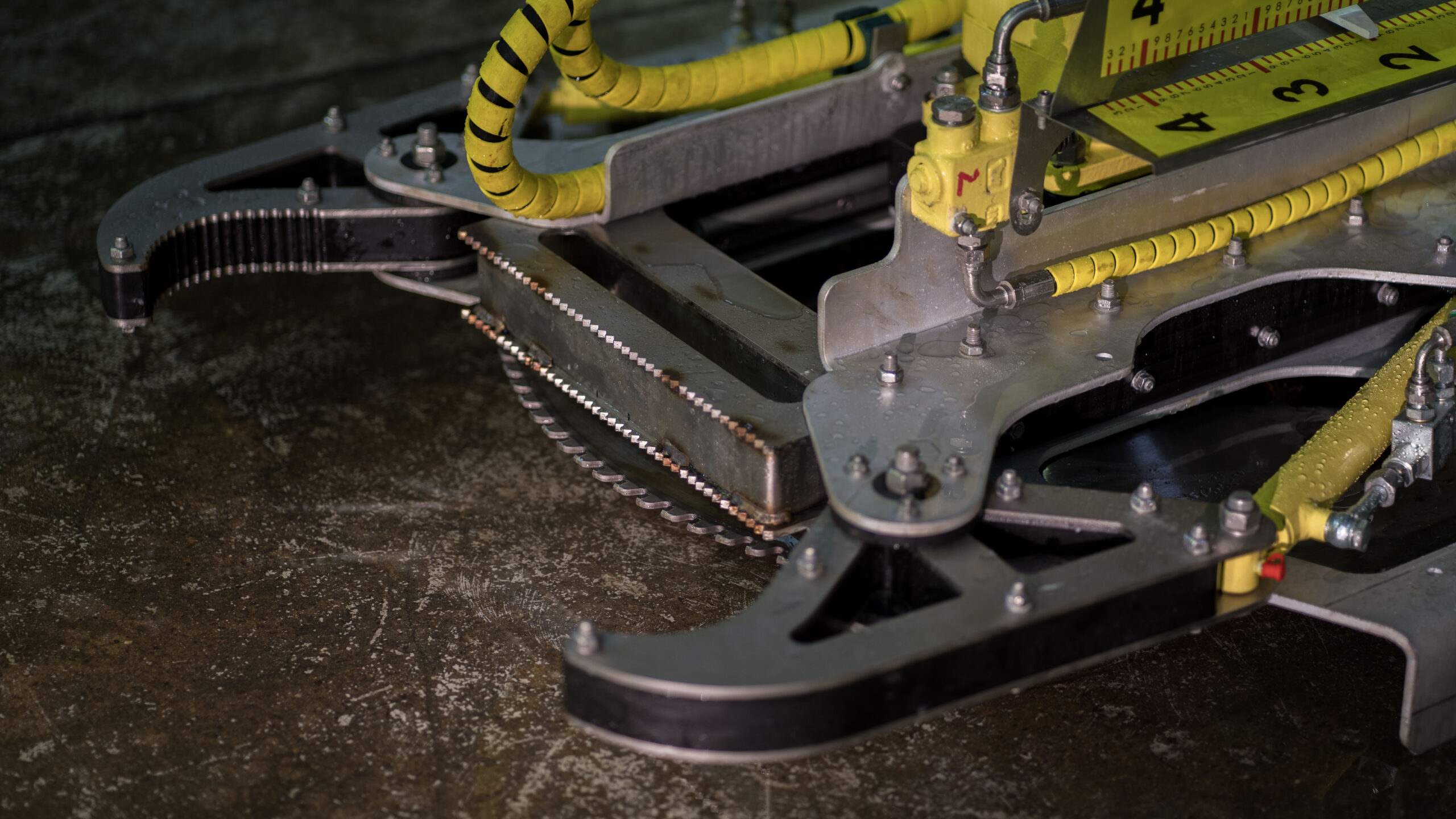
Equipped with Decom’s proprietary Tungsten Carbide Tipped blade, the C1-16UL delivers exceptionally fast, clean and precise cuts. Each blade performs up to 100 cuts depending on application, with blade changes completed in just five minutes, significantly minimising operational downtime.

“Close collaboration with our clients has enabled us to deliver a tool that cuts large mooring chain in a matter of minutes, where previously these operations could take hours per cut using other methods,” McNally explained. “The efficiency gains and cost savings are transformational for our clients’ subsea operations.”

The C1-16UL incorporates several groundbreaking innovations, including a subsea-grade aluminium frame replacing traditional steel construction and a high-torque direct-drive hydraulic motor which has eliminated the need for a gearbox without sacrificing performance.

The C1-16UL employs a sophisticated single-clamp system that provides equivalent stability while reducing weight and complexity. A revolutionary modular buoyancy system allows fine-tuning for different operational environments, ensuring optimal stability and control across varying deployment conditions.

Nick McNally added: “The C1-16UL has been designed to accommodate multiple deployment methodologies. The tool can be deployed in a subsea basket, via our own purpose-built deployment frame, or attached directly to the front of an ROV – a configuration successfully implemented on a recent project in Brazil.

“The versatility of the C1-16UL allows for cuts to be made in any orientation, providing unprecedented flexibility in various operational scenarios. This adaptability, combined with its lightweight design, opens up entirely new possibilities for subsea intervention work.”

Decom said the C1-16UL addresses critical limitations in existing subsea cutting technology, where weight and size constraints made traditional tools less suited for deployment in confined subsea environments or attached to an ROV.

“We identified significant knowledge gaps that couldn’t be bridged by existing adaptations of conventional technology. The redesign of the cutting frame using subsea aluminium to reduce weight, the reconfiguration of hydraulic drive systems to enhance efficiency, and the integration of buoyancy control systems are hallmarks of Decom’s innovative approach to offering clients optimal cutting solutions

“Experimental validation and iterative development that went well beyond routine engineering improvements has resulted is a tool that doesn’t just improve on existing solutions – it fundamentally changes what’s possible in subsea cutting operations.”

Form more information, visit the Decom Engineering website at decomengineering.co.uk